- +256 741 745053
- admin@cambiamento.org
Creating Positive Change in the Lives of Vulnerable People
At Cambiamento Positivo Initiative Uganda Limited (CPI), we believe that meaningful impact begins with supporting people with dignity, understanding their needs and creating opportunities for them to improve their lives.
Our work focuses on children, youth, orphans, older persons and persons with disabilities, with interventions centred on education, skills development, practical support, psychosocial support and community empowerment.
Because CPI’s work is developing, we do not present unverified beneficiary numbers or unsupported statistics. Instead, this page focuses on the areas of change we seek to create and the difference our programmes are designed to make.
Education & Literacy
Creating Opportunities to Learn
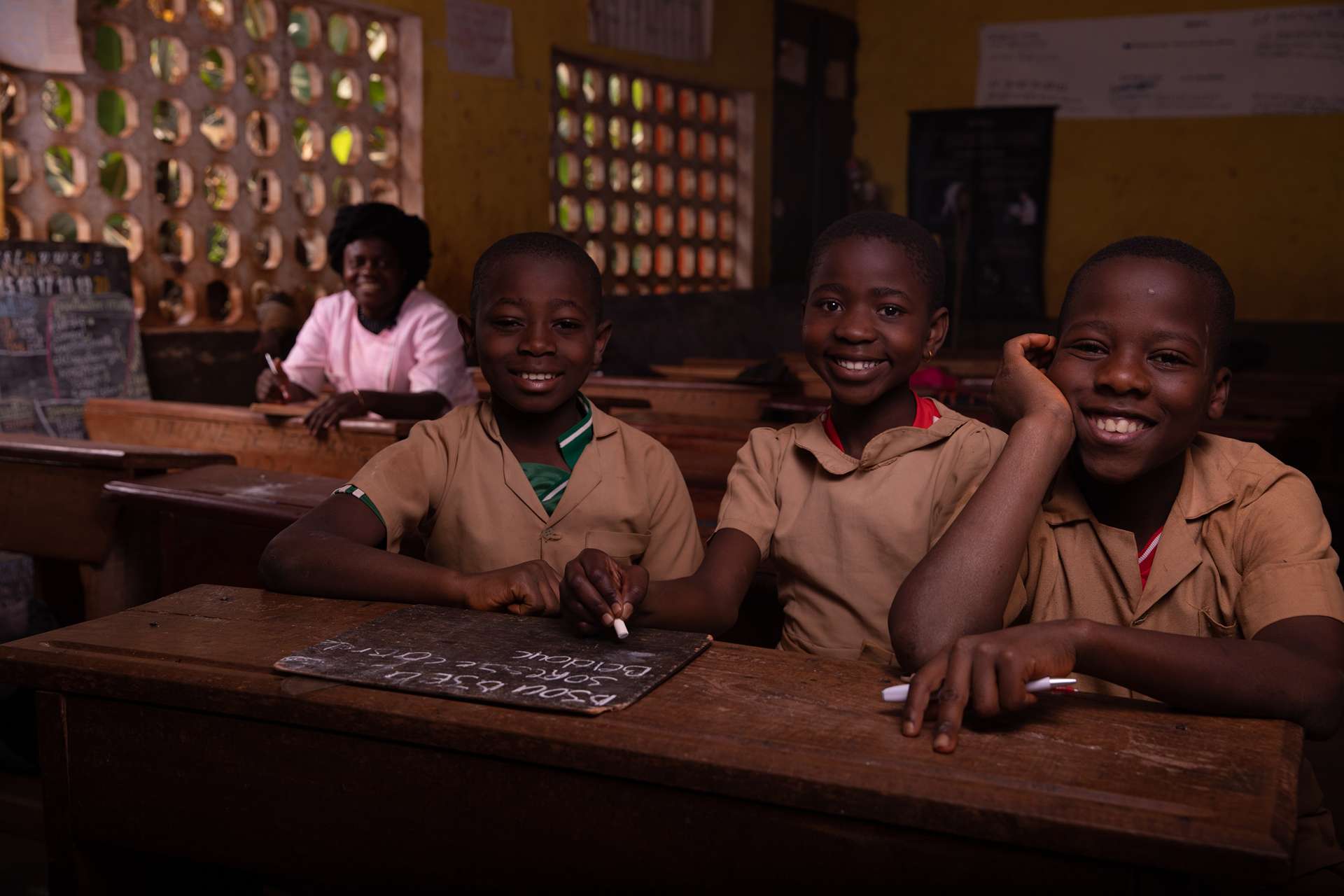
Education can provide people with knowledge, confidence and opportunities for personal development.
Through our education and literacy initiatives, we seek to support vulnerable children, youth and persons with disabilities to access appropriate learning opportunities.
Our intended impact includes:
- Supporting access to education
- Promoting literacy
- Supporting learning opportunities
- Providing educational materials where appropriate
- Encouraging continued learning among vulnerable people
Skills & Vocational Training
Equipping People for Better Opportunities
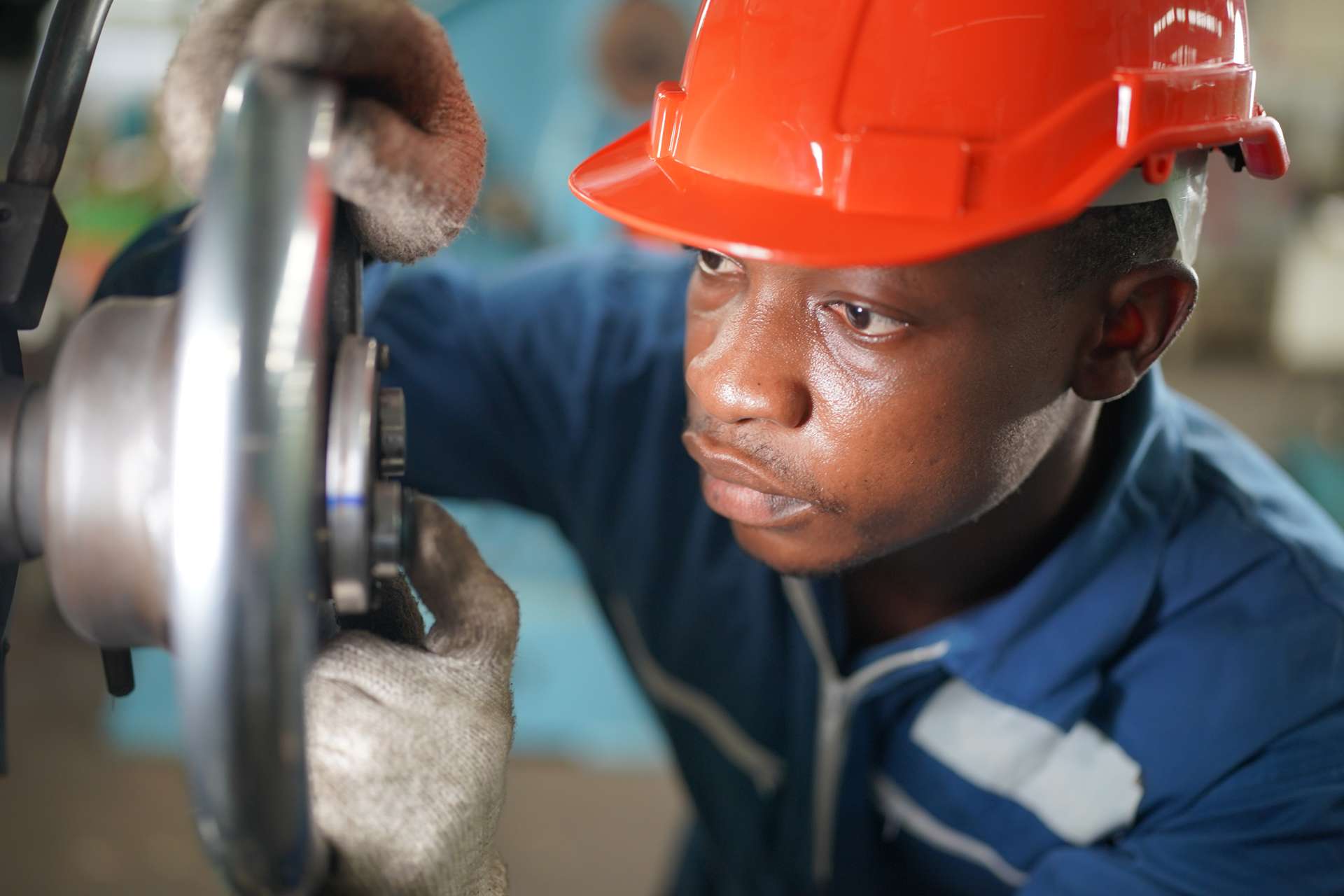
Skills development is an important part of our approach to empowerment.
We seek to support vulnerable people through vocational training and practical skills development that can contribute to improved livelihoods and greater self-reliance.
Our intended impact includes:
- Increased access to practical skills
- Supporting vocational training
- Equipping youth with useful skills
- Supporting persons with disabilities to develop skills
- Promoting opportunities for improved livelihoods
Support for Vulnerable Persons
Restoring Dignity and Improving Wellbeing
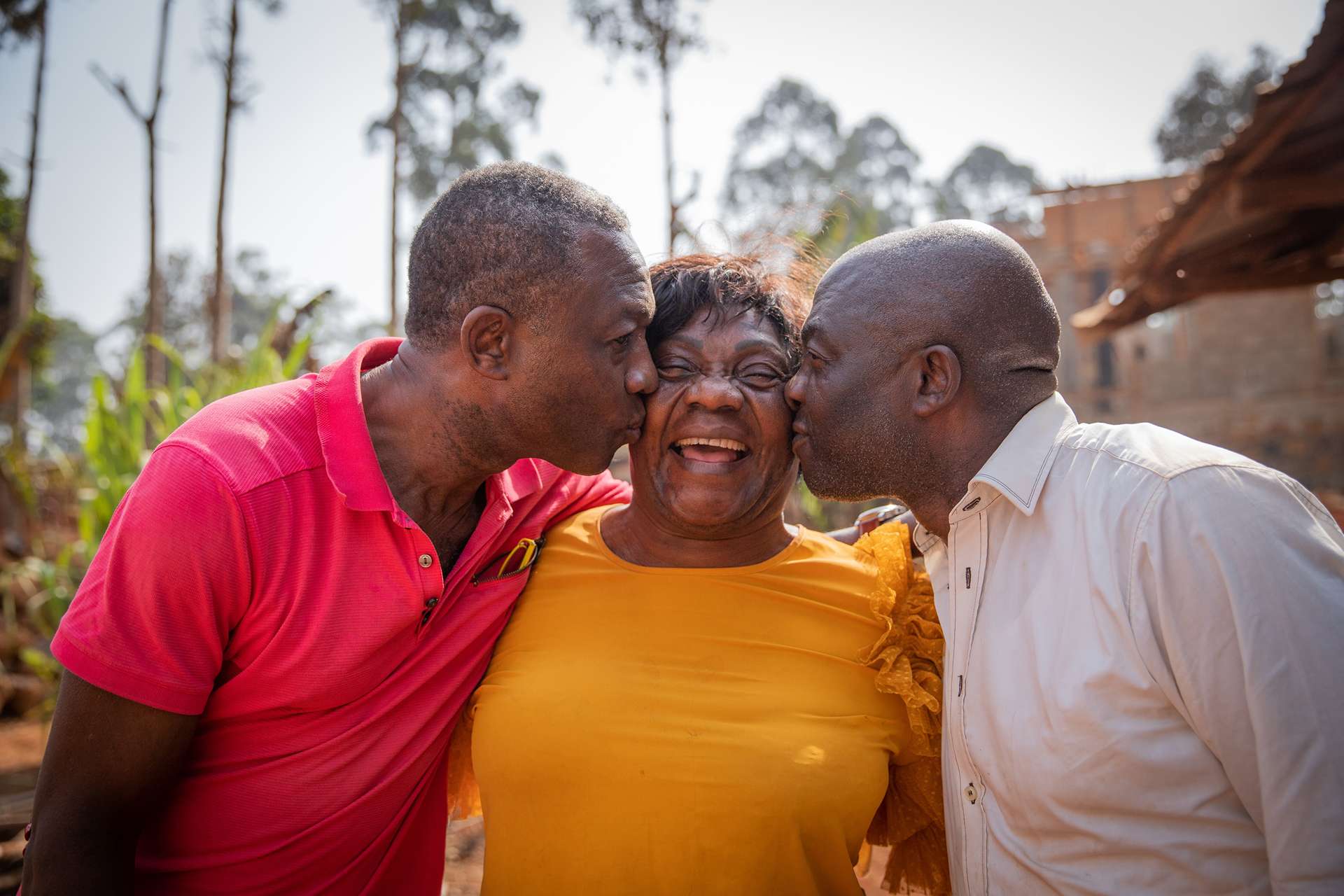
CPI provides appropriate support and physical items intended to alleviate suffering among vulnerable and marginalised people.
Our focus includes children, orphans, older persons and persons with disabilities.
Our intended impact includes:
- Improved wellbeing
- Reduced immediate hardship
- Greater dignity
- Access to appropriate practical support
- Improved living conditions where possible
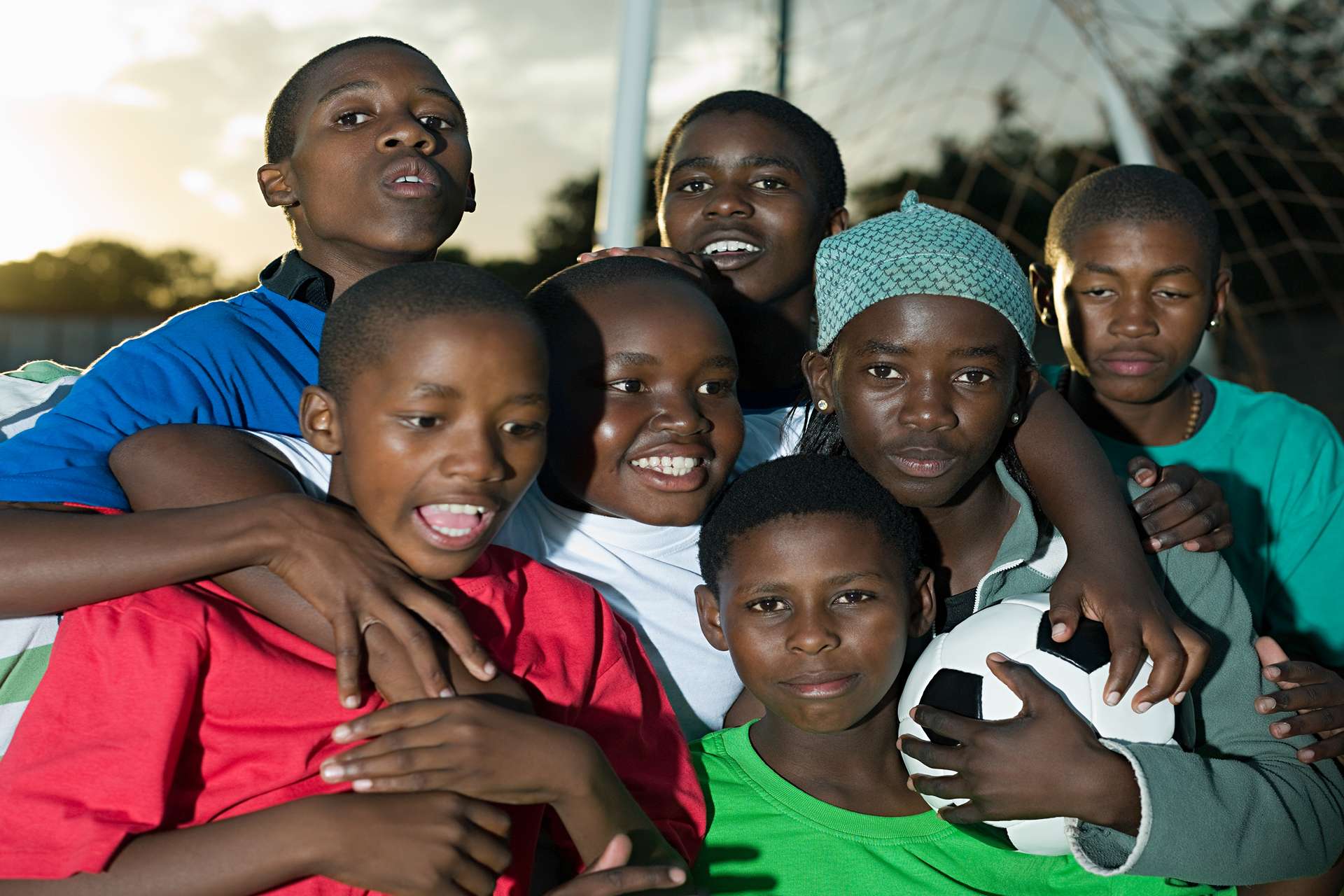
Psychosocial Support
Restoring Hope
Vulnerability can affect a person’s emotional and social wellbeing as well as their material circumstances.
CPI therefore recognises psychosocial support as an important part of empowering vulnerable people.
Our intended impact includes:
- Promoting hope
- Supporting emotional wellbeing
- Encouraging social inclusion
- Strengthening positive relationships
- Promoting dignity and participation
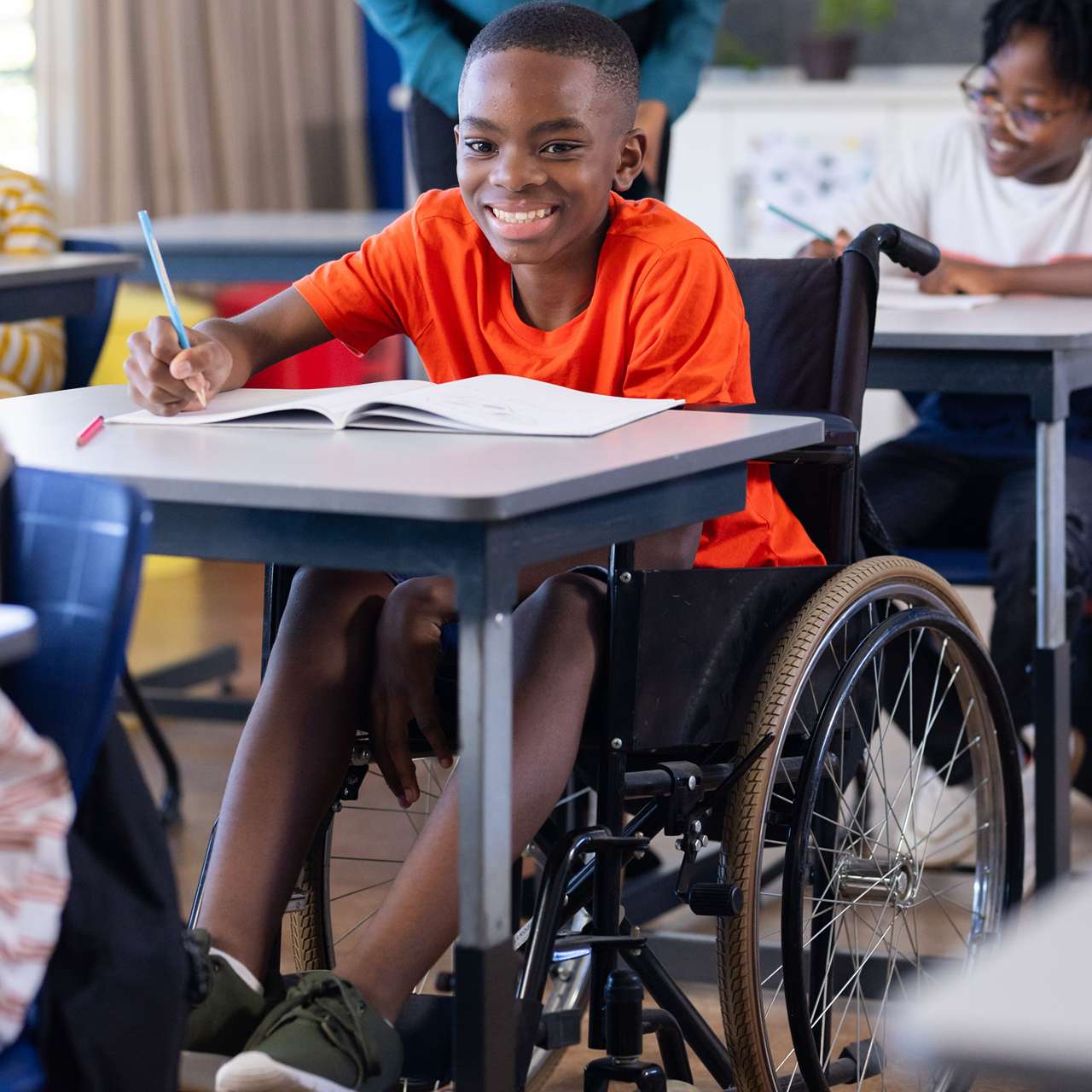
Disability Inclusion
Creating Opportunities for Participation
Persons with disabilities are among the groups specifically identified within CPI’s objectives.
We seek to promote their access to education, skills development, psychosocial support and appropriate assistance.
Our intended impact includes:
- Greater access to opportunities
- Skills development
- Improved inclusion
- Increased community participation
- Promotion of dignity and self-reliance
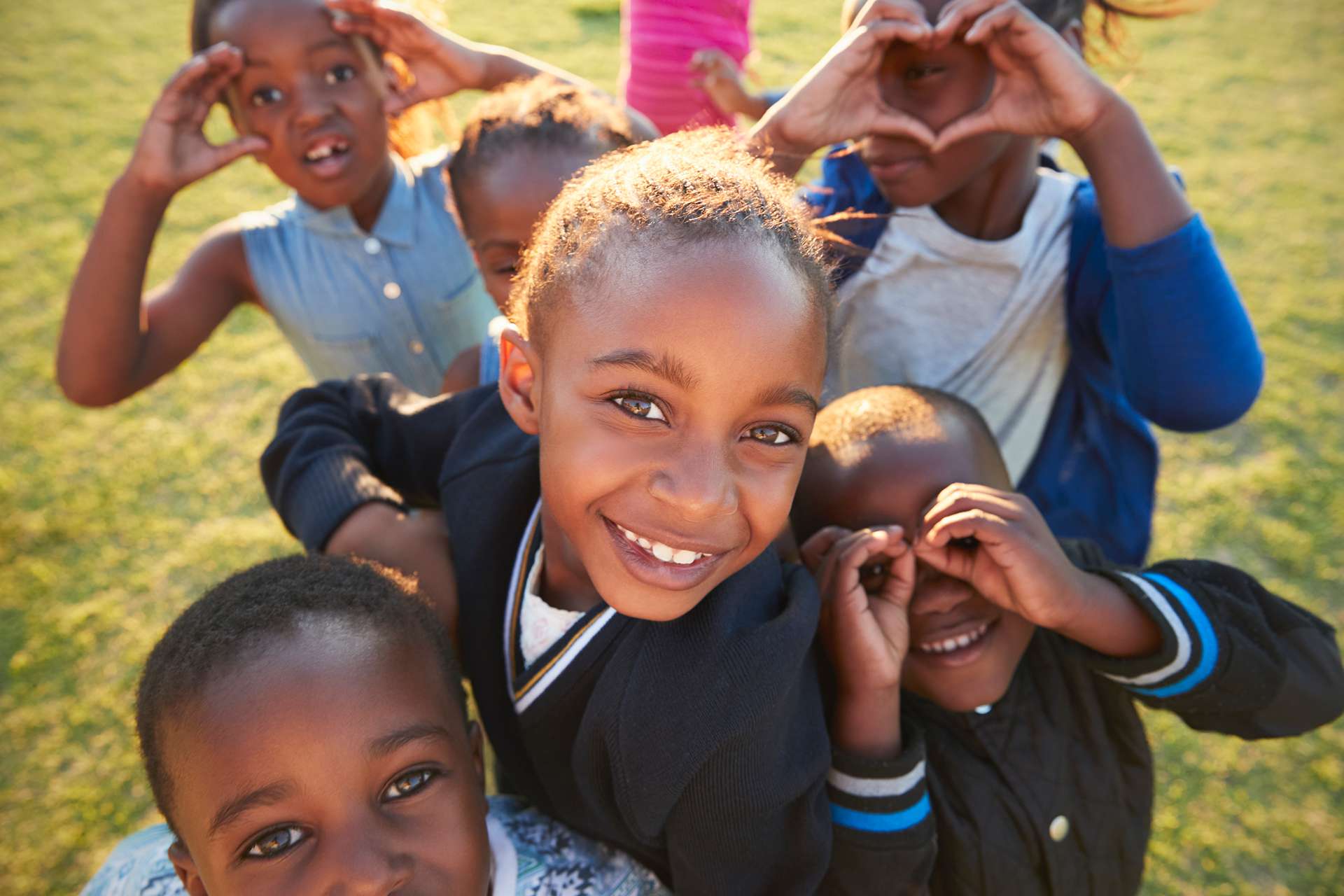
Community Empowerment
Strengthening Individuals, Families and Communities
We believe communities should be active participants in improving their own livelihoods.
Our approach promotes appropriate and affordable support initiatives while encouraging people and families to develop the knowledge, skills and opportunities needed to improve their circumstances.
Our intended impact includes:
- Stronger community participation
- Improved access to support
- Increased skills and knowledge
- Greater community collaboration
- More sustainable livelihood opportunities

Our Commitment to Responsible Impact
We are committed to ensuring that our work remains guided by our core values:
- Integrity & Professionalism
- Human Dignity
- Collaboration
- Long-Term Perspective
- Transparency & Accountability
- Sustainable Living
For CPI, impact is not simply about the number of people reached. It is also about whether our work contributes to dignity, opportunity, empowerment and sustainable improvement in people’s lives.